

 sales@itpstyli.com



CMM Styli and Probe Resources - Knowledge Base
Materials
Choosing the correct material is important to ensure success in your application. Factors include weight, durability, length, and thermal stability. Below are descriptions of the materials used. Visit our page with material technical specifications to find out what materials will work best with your applications.

Tungsten Carbide
Deflection-resistant carbide stems for standard applications at stable ambient temperatures

Steel
Extensions with superior rigidity for standard applications where weight is not an issue.

Aluminium
Very light weight but poor thermal stability, this is best used in temperature controlled labs.

Ceramic
Light, solid, and thermally stable for production-related applications.

Titanium
Decent thermal stability, superb flexural rigidity, and relatively light weight.

Carbon Fiber
The best material for long extensions, especially in presence of temperature fluctuations.
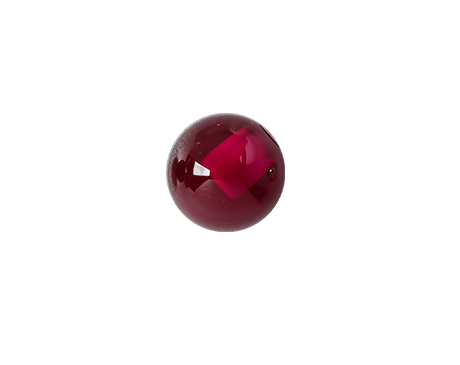
Ruby
Synthetic ruby monocrystaline (AL2O3) spheres are one of the hardest materials available making them ideal for most applications.
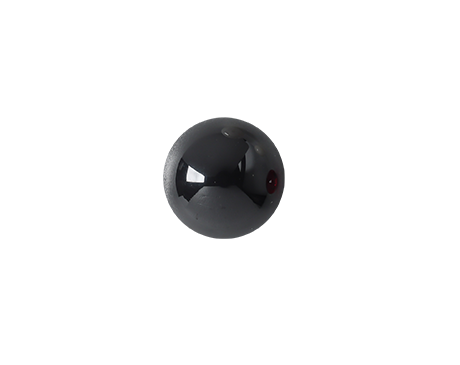
Silicone Nitride
Hard pressed Si3N4 is nearly as hard as ruby but its chemical composition deters the build-up of aluminum particulate.
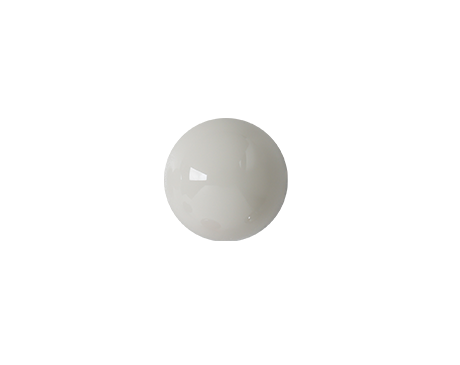
Zirconia Oxide
Sintered ZrO2 is recommended when scanning cast iron and other abrasive material due to its unique surface which minimizes friction.
tpstyli also has TEMP-COMP Thermal Stable Technology. This technology helps to obtain accurate measurements in your production area. Learn more about TEMP-COMP Technology. This material should be used for longer extensions as the smallest of temperature changes can greatly affect measurement.
itpstyli not only offers an extensive range of standard styli, but also offers the Design Your Own styli option where you can create a custom stylus that fits your specific application.