

 sales@itpstyli.com


3/27/26
Why Diamond Coatings Slash CMM Recalibration Costs
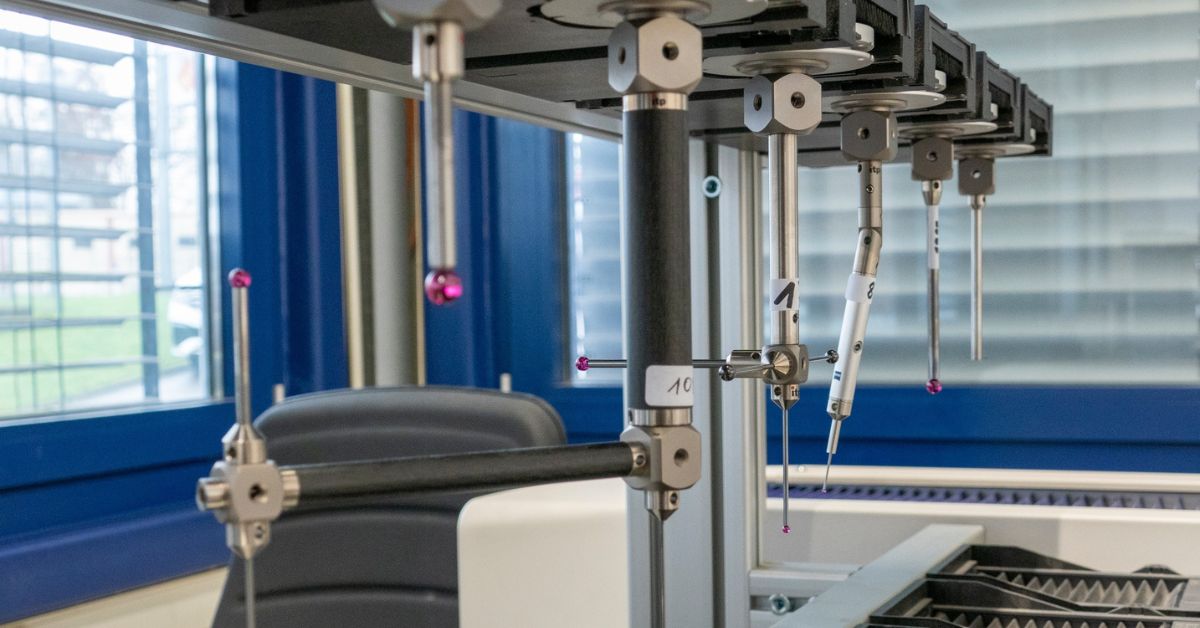
Small shifts in stylus condition can create expensive problems long before a CMM shows obvious trouble. These tiny changes are a big part of why diamond coatings slash CMM recalibration costs in high-demand inspection work. When the contact surface lasts longer, manufacturers can spend less time chasing inconsistencies and more time keeping measurement routines on track. In busy production environments, that kind of stability carries real value.
Why Stylus Wear Directly Impacts Calibration Frequency
A CMM relies on a consistent point of contact to produce reliable results. When the stylus begins to wear, its contact characteristics can change enough to affect measurement repeatability. Even small changes at the tip can introduce uncertainty, making it harder to trust whether the machine is still performing as expected.
Uncertainty is what drives more frequent calibration checks. As stylus wear increases, manufacturers may need to recalibrate more frequently to verify measurement accuracy and restore confidence in the inspection process.
What Makes Diamond Coatings Different
Diamond coatings differ from standard stylus tips because of the thin diamond layer on the working surface of the sphere. That outer layer gives the tip a much harder contact surface than a conventional stylus, which changes how it holds up during repeated measurement cycles.
A harder surface matters because it is less vulnerable to the gradual damage that can alter the shape of the contact point over time. It can also reduce the tendency of certain materials to cling to the stylus during scanning, helping the tip stay closer to its intended condition during use.
In practical terms, the coating is what sets the stylus apart. Instead of relying solely on the tip's base material, a diamond-coated stylus gains a protective outer surface suited to more demanding metrology applications.
How Diamond-Coated Styli Reduce Recalibration Costs
Diamond-coated styli help reduce recalibration costs by slowing the surface wear that can gradually affect measurement confidence. When the contact point stays in usable condition for longer, teams have fewer reasons to question whether small shifts in results are tied to the part or to the stylus itself.
That matters because uncertainty leads to precautionary action. Operators may decide to verify performance sooner than planned or bring calibration activity forward simply to rule out stylus-related influence. In busy inspection environments, those extra checks can interrupt machine availability and create added service demands that were not originally scheduled.
Real-World Scenarios Where Diamond Coatings Deliver ROI
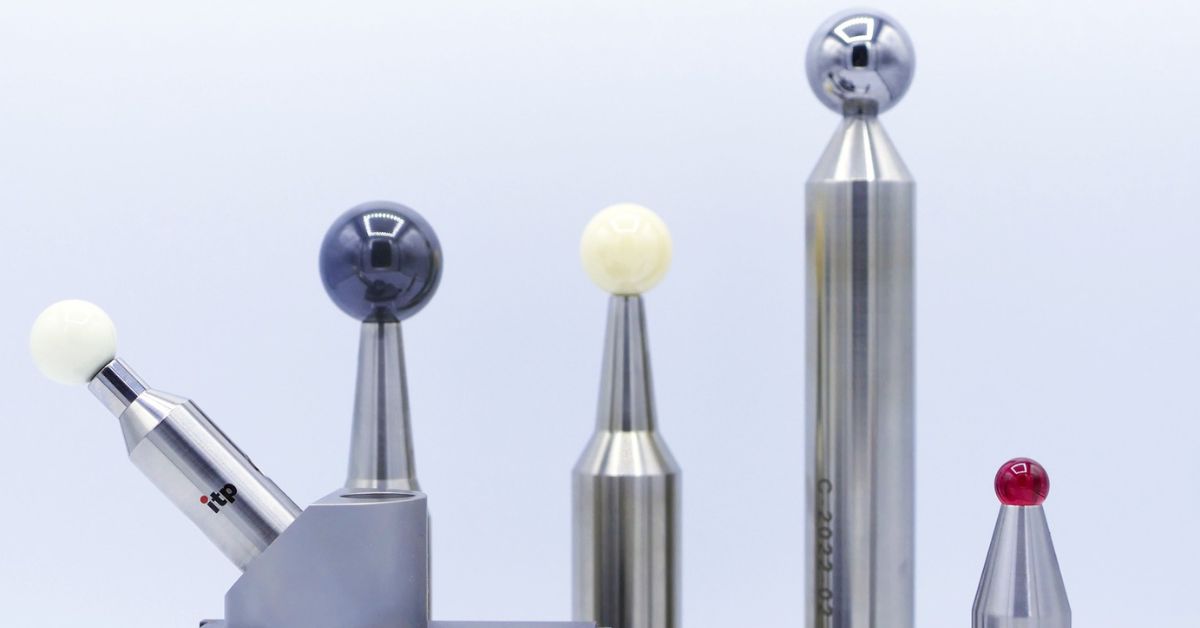
The return on diamond-coated styli becomes easiest to see in inspection environments where even minor disruptions carry real production consequences. One strong example is turbine and aerospace work, where inspection programs involve complex surfaces and long scanning routines on high-value parts. In that setting, workers can protect production schedules and reduce the cost of rechecking critical features.
Medical manufacturing is another area where diamond-coated styli can make a measurable difference. Components with tight tolerances and detailed geometries require repeated scans, so extending stylus service life can help teams maintain output without introducing unnecessary inspection stops.
Automotive and high-volume production environments see clear returns as well. When the same parts are measured day after day, the value of a longer-lasting stylus becomes easier to justify because the savings build steadily across the life of the program.
Cost Comparison: Diamond-Coated vs. Traditional Styli
A diamond-coated stylus usually costs more upfront than a traditional stylus, so the price difference is easy to notice at the time of purchase. Even so, the stronger comparison looks beyond the initial order total and considers how each option performs over time within the application.
A traditional stylus may still make sense in lighter-duty work where wear develops more slowly. The value equation changes in inspection routines that involve frequent scanning, repeated contact, or demanding part surfaces. In those settings, a stylus that maintains performance longer can do more to support inspection efficiency, which makes the higher purchase price easier to justify.
Additional Operational Benefits Beyond Cost Savings
Diamond-coated styli can also improve day-to-day inspection flow in ways that are not captured by direct cost alone. When the stylus's condition remains more reliable over repeated use, teams can work with fewer avoidable interruptions due to early wear concerns.
Steadiness in work helps inspection fit more smoothly into the rest of production, especially when measurement is closely tied to machining schedules or final quality release. It can also reduce how often operators need to pause to evaluate whether the stylus condition is affecting the routine. In automated or lightly attended environments, that added predictability can make the overall process easier to manage.
How To Choose the Right Diamond-Coated Stylus
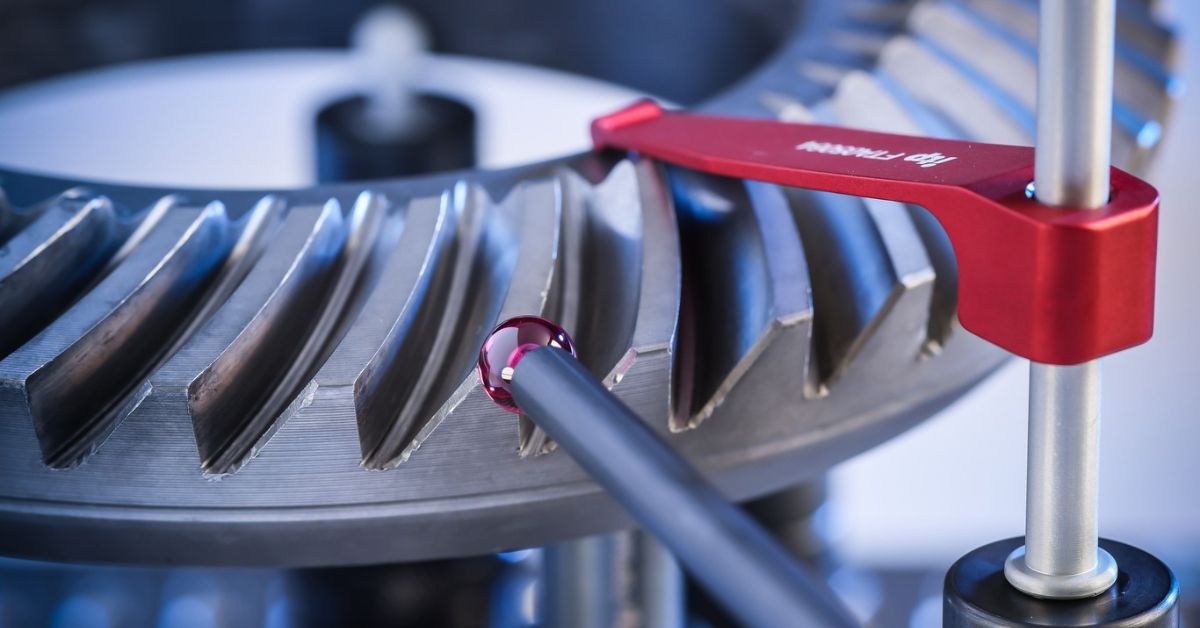
Selection should begin with the application, not the coating alone. Part material, feature access, scanning intensity, thread size, stylus length, ball diameter, shaft stiffness, and probe compatibility all influence how well a given stylus performs. A diamond coating can improve durability, but the wrong geometry can still affect measurement results.
Buyers should evaluate the full scope of the measuring task before choosing a stylus. If the application involves demanding scan paths or surfaces that are harder on the contact point, the stylus design needs to support both the measuring routine and the machine setup already in place. For that reason, diamond styli for metrology applications should be selected as part of a broader measurement strategy.
Why Manufacturers Trust itpstyli for Diamond-Coated Solutions
Manufacturers choose itpstyli because we are focused on metrology, not general industrial supply. We give buyers a source that understands how stylus selection can influence measurement performance and why application fit matters.
itpstyli stands out for being practical to work with, too. We offer competitive pricing and fast turnaround on many orders, making us a strong choice for manufacturers who need diamond-coated stylus solutions from a source that understands the industry.
In demanding inspection environments, stylus selection plays a larger role than many teams realize. Why diamond coatings slash CMM recalibration costs becomes clearer when long-term measurement stability begins to affect daily operations. For manufacturers under pressure to keep results dependable, durability at the point of contact is not a small detail. It can shape how confidently the entire process performs over time.