


 sales@itpstyli.com


4/29/26
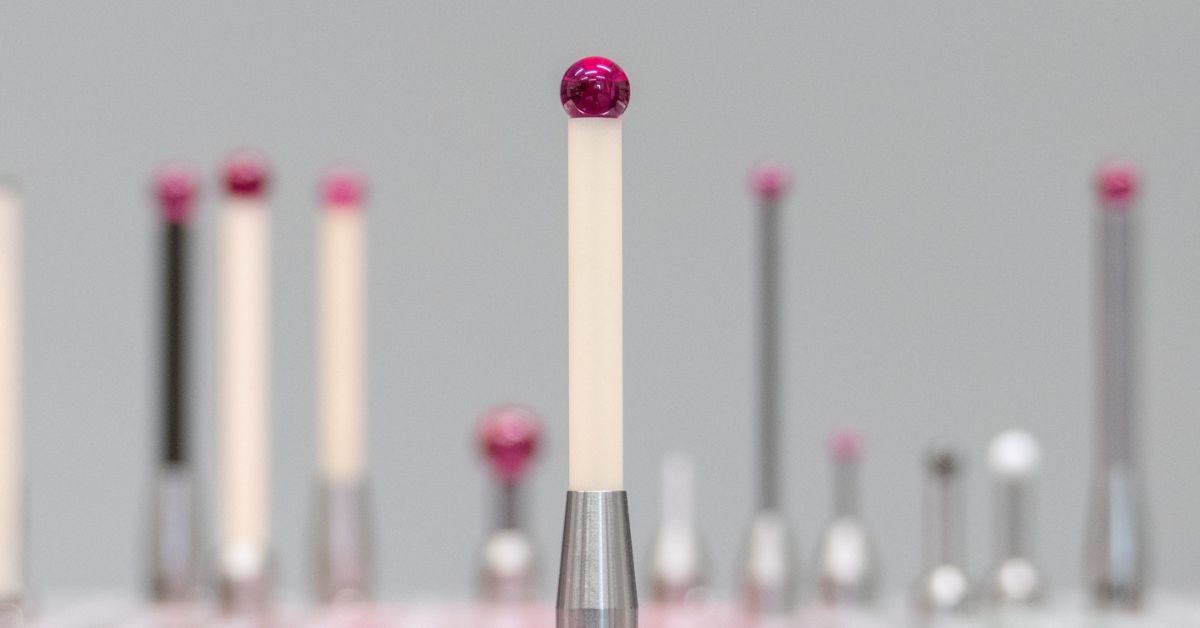
Why Carbon Fiber CMM Extensions Beat Steel Options
Long-reach inspection work can expose weak points in a CMM setup faster than most teams expect. Questions around why carbon fiber CMM extensions beat steel options tend to surface when heavier assemblies start limiting probe control. Carbon fiber can change that dynamic by helping create a lighter setup that feels more stable in demanding measurement paths. For manufacturers working in tight-tolerance environments, extension material can quickly become a performance decision, not only a purchasing detail.
Why Extension Material Matters More Than Most Teams Realize
Extension material shapes how the full probe assembly behaves once measurement begins. Weight, rigidity, and environmental response all vary depending on what the extension is made of. These differences become more noticeable as setups get longer. Material choice matters because it can influence how controlled and dependable the assembly feels during inspection.
The Lightweight Advantage
Carbon fiber offers a clear advantage in longer CMM setups by reducing the mass carried at the end of the probe assembly. A lighter extension can help the system move through programmed paths with less strain, which becomes especially useful when routines involve deeper features or more frequent repositioning.
Lower weight can make a setup feel more controlled during daily inspection work, especially when the extension length starts to push the limits of a heavier material. For manufacturers balancing reach with consistent machine behavior, carbon fiber offers a practical way to support longer assemblies without adding unnecessary load to the probing system.
Superior Stiffness-to-Weight Ratio
A strong extension needs to do more than stay light; it must also resist flex during measurement. Carbon fiber stands out for delivering high rigidity without the same weight burden as steel, making it valuable in longer probe assemblies. Greater stiffness helps the setup remain more controlled as the stylus engages more complex part geometries.
Balance matters even more when shops use custom CMM styli for specialized access, since the entire assembly must function as a unified system. Carbon fiber supports that goal by combining structural strength with lighter overall construction.
Thermal Stability
Thermal behavior can affect a probing setup, even when the machine itself operates in a controlled environment. Parts, fixtures, and surrounding shop conditions do not always stay perfectly consistent, so that extension material can become an important factor in measurement stability.
Carbon fiber is usually preferred in these situations because it offers greater resistance to thermal expansion than heavier traditional materials. A more stable extension can help preserve setup integrity during long inspection cycles or across production shifts with changing temperatures. For applications where tight tolerances leave little room for variation, thermal stability becomes a material advantage that deserves close attention.
Vibration Damping
Motion control matters in CMM work, especially during scanning routines or repeated probe paths where small disturbances can affect how smoothly the assembly settles. Carbon fiber provides an advantage here because it can dampen vibration more effectively than steel in many measuring setups.
Better damping helps reduce the small oscillations that may become more noticeable as extension length increases or part access becomes more complex. A calmer assembly can support steadier movement between contact points and give operators more confidence during demanding routines. Vibration control is not a minor detail because smoother motion can make the setup feel more predictable overall.
Durability and Long-Term Performance
Extension value should be judged over time, not only during the first few runs after installation. Carbon fiber appeals to many manufacturers because it delivers long-term performance in applications where the above variables are critical. Repeated inspection cycles can place steady demands on the probe assembly, so material consistency becomes part of the buying decision.
Carbon fiber maintains the performance advantages that make longer or more specialized setups easier to manage in daily production. When you rely on dependable inspection routines across ongoing work, durability includes both physical longevity and confidence in how the setup continues to perform.
When Steel Extensions Still Make Sense
Steel still has a practical role in metrology, especially for shorter setups and less demanding inspection routines where extra reach does not magnify material limitations. Familiarity can also matter, since some teams already know how steel behaves within their process and do not need the added performance of carbon fiber for a straightforward task.
Budget considerations may push a shop toward steel when the application does not call for greater thermal stability, lower mass, or better vibration control. Carbon fiber has clear advantages in many advanced setups, though steel remains a reasonable option when the measurement routine is simple and performance demands are modest.
How To Choose the Right Carbon Fiber Extension for Your CMM Setup
Start with reach. Look at the feature you need to access and determine the shortest extension that will let the stylus reach it cleanly. Extra length can create unnecessary setup complexity, so a longer extension should only be chosen when the geometry truly demands it.
Next, look at the rest of the probe assembly as a whole. Extension length, stylus size, tip material, and probe compatibility must all work together, since a mismatch can affect how stable the setup feels in use. A carbon fiber extension should support the configuration you plan to run, not just fit the thread.
After that, think about the conditions of the measurement. Long reaches, tighter tolerances, and repetitive movement usually make carbon fiber a stronger choice because material performance matters more in those situations. Shops measuring simpler features with shorter assemblies may not need the same level of extension performance.
Finally, buy from a supplier that understands CMM applications well enough to help you avoid guesswork. itpstyli helps manufacturers choose extension solutions that match real inspection needs, making it easier to build a setup that performs as it should.
Extension material choices can shape the level of inspection performance a team can maintain as measurement demands grow more complex. For many manufacturers, carbon fiber CMM extensions beat steel options when setup performance starts to affect throughput and confidence on the floor. When your team is ready to upgrade critical CMM components, explore itpstyli’s extension options to find a solution built for the realities of production.