


 sales@itpstyli.com


5/21/26
Understanding Thread Standards for Efficient Stylus Setup
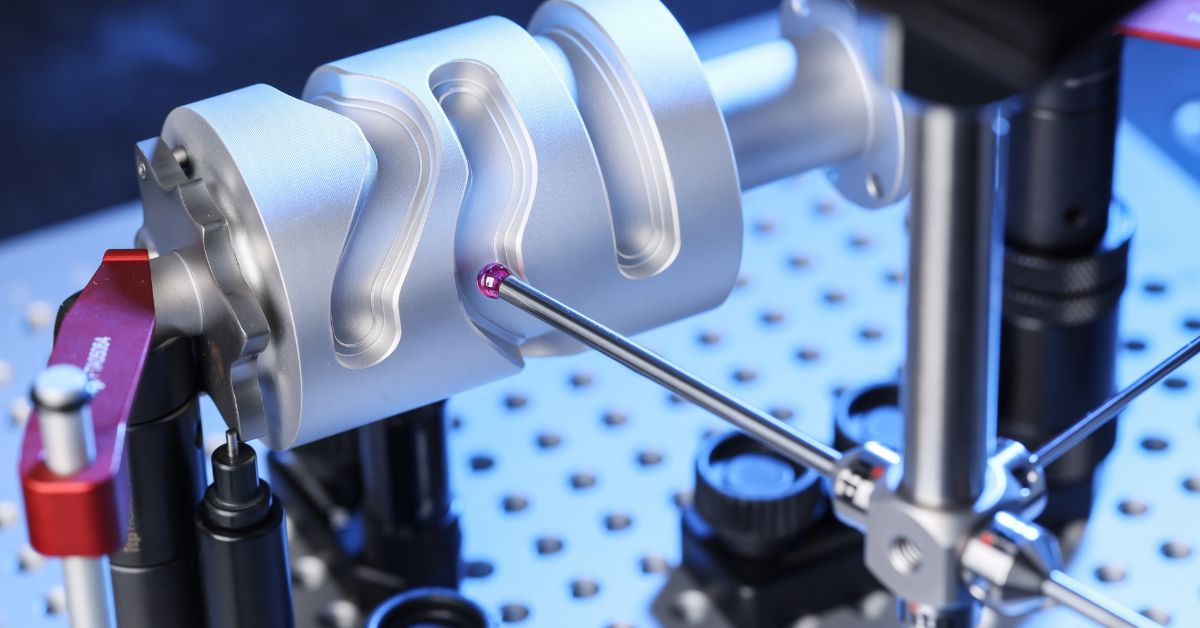
In metrology, a thread mismatch can turn a simple stylus change into an unnecessary setup delay. The right connection helps the stylus seat cleanly and supports the measurement routine without extra troubleshooting. Understanding thread standards for efficient stylus setup keeps inspection work moving with fewer interruptions. Thread sizing may be a small detail, but it directly affects how confidently each assembly comes together.
Why Thread Standards Exist and Why They Matter in Modern Metrology
Thread standards exist because measurement systems depend on repeatable mechanical connections. When a stylus, extension, adapter, or holder uses a recognized thread size, technicians can build assemblies with more confidence. That consistency helps protect the inspection process from uncertainty before the first measurement is taken.
In modern metrology, CMM styli are selected for specific part features and measurement routines. The thread on the stylus may seem like a small detail, yet it determines how securely the component seats in the system. A secure connection supports alignment, helps reduce unwanted movement, and makes setup changes easier to manage.
The Most Common Thread Sizes in CMM Work (M2-M8)
A useful thread selection starts with the probe system and moves outward from there. The stylus must fit the connection point, but it should fit the measurement task as well.
M2 Threads
M2 threads are widely used for compact stylus arrangements. They work well when technicians need a small setup capable of reaching fine features. Because M2 components are relatively small, installation requires care. A light, controlled touch preserves both the stylus and the mating component.
M3 Threads
M3 threads offer a step up in strength while still supporting many everyday measurement needs. They can be useful when a setup needs more rigidity than an M2 assembly can provide. In practice, that balance makes M3 a practical choice for many shop-floor inspection routines.
If the inspected feature requires a smaller stylus or tighter clearance, M3 may add unnecessary bulk. Selection should follow the measurement requirement, not a general preference for a stronger connection.
M4 & M5 Threads
M4 and M5 threads are used when assemblies need added stiffness or larger accessories. These sizes can support longer reaches when smaller thread systems would be less stable. They are still compact enough for many metrology applications, but they begin to shift the setup toward durability.
A technician choosing M4 or M5 should consider the entire assembly, not just the stylus tip. As the assembly grows, thread engagement becomes more important because the connection must handle greater leverage.
M6-M8 Threads
M6 through M8 threads are better suited to heavier-duty setups. They are commonly associated with larger accessories or applications where strength is a primary concern. These thread sizes are less about fine access and more about maintaining a dependable structure.
How Thread Standards Influence Setup Efficiency
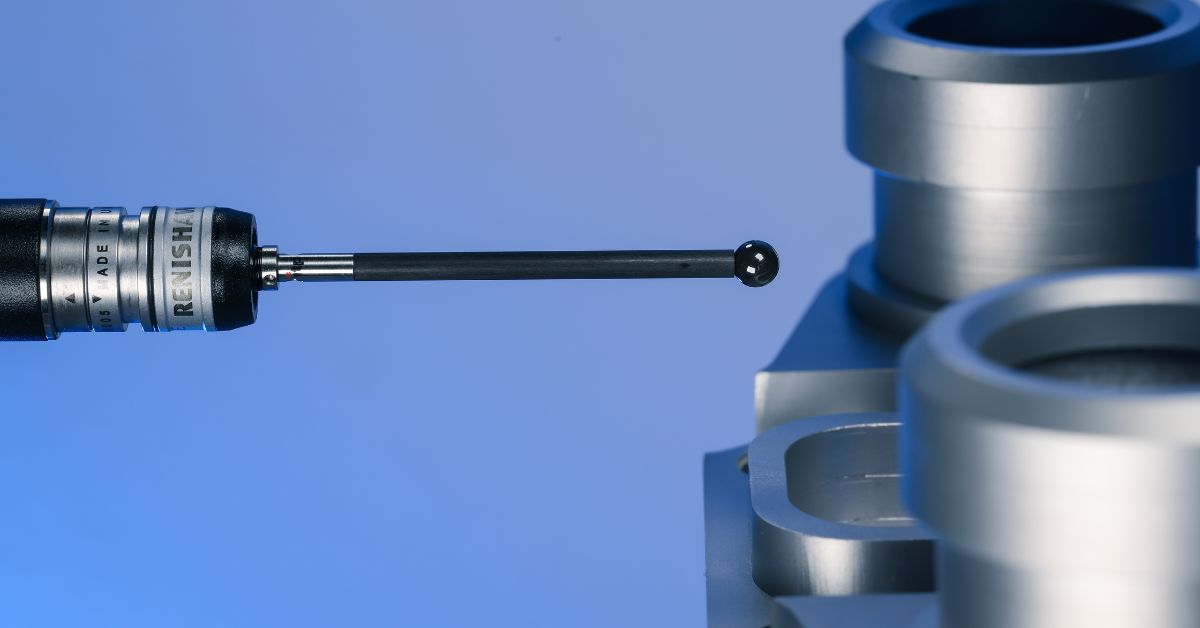
Efficient setup depends on making the right component choices quickly. Thread standards narrow the options before a technician begins assembling parts. When the thread size is known, the search for a compatible stylus or extension becomes direct.
This efficiency shows up during routine replacement work. If a damaged stylus has a known thread, the technician can replace it without rebuilding the whole measurement strategy. Less uncertainty means fewer interruptions to inspection schedules.
Thread standards also support consistency across teams. When everyone uses the same sizing conventions, setup instructions become easier to follow. A clear standard prevents confusion between similar-looking parts that are not actually compatible.
Material and Thread Pairings That Improve Performance
Thread selection is more useful when evaluated alongside the materials in the stylus assembly. Ball material affects contact behavior at the workpiece, while stem material influences weight, stiffness, and reach. The pairings below show how material choice can guide a cleaner thread decision.
- Ruby ball with a tungsten carbide stem and M2 or M3 thread: This pairing is a practical choice for short, precise setups where the assembly needs good stiffness without unnecessary bulk.
- Silicon nitride ball with a tungsten carbide stem and M3 or M5 thread: Silicon nitride is used when measuring aluminum because it can help reduce material buildup on the ball during contact or scanning.
- Zirconia ball with a ceramic stem and M4 or M5 thread: A zirconia ball can support applications where wear resistance is a priority, while the ceramic stem helps maintain stiffness in longer assemblies.
- Ruby ball with a carbon fiber stem and M4 or M5 thread: Carbon fiber can help reduce weight in extended-reach setups, making it useful when the assembly needs length without excessive mass.
- Large ceramic ball with an M5 or larger thread: Larger ceramic ball setups may call for a stronger threaded connection because the assembly carries more size and leverage at the probe end.
These pairings should still be matched to the probe system and the inspected surface. A material may solve one challenge, but the thread must still support the full assembly without adding instability.
Avoiding Common Thread-Related Mistakes
Many thread-related problems begin with assumptions. A technician may see two components that appear compatible and try to assemble them without checking their actual sizes. That shortcut can damage threads or create a connection that appears secure but is not seated correctly.
Another common issue is over-tightening. A threaded stylus connection needs to be secure, but extra force does not equate to better performance. Too much torque can deform small parts or make future removal difficult.
Cleanliness deserves attention as well. Debris in a thread can prevent full engagement even when the size is correct. Before installation, a quick visual check can catch contamination that might affect seating.
When To Use Adapters and When Not To
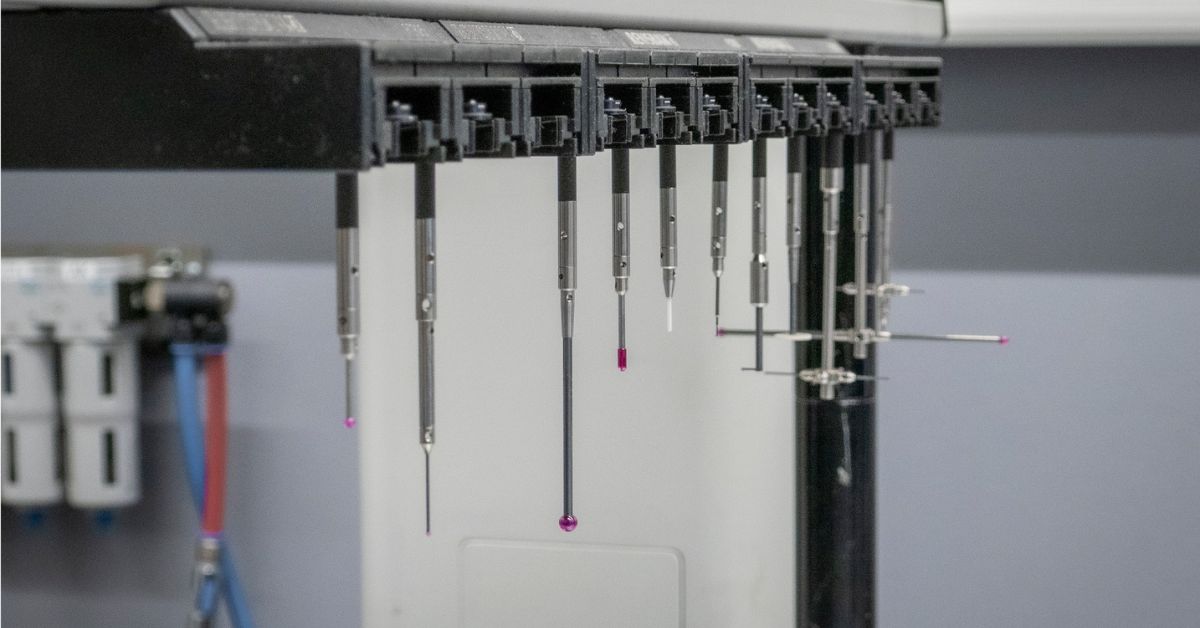
Adapters are useful when a measurement task requires components with different thread sizes. They can connect an existing probe system to a stylus or extension that would otherwise be incompatible.
However, every adapter changes the assembly. For example, it may add weight or another connection point that needs to remain stable. For short, simple setups, a direct-threaded component may be the cleaner choice.
Adapters make the most sense when they solve a specific fit problem without weakening the measurement strategy. Before using one, technicians should confirm that the final assembly still supports the required access.
How itpstyli Supports Efficient Thread Selection
itpstyli helps take the uncertainty out of thread selection by giving measurement teams a clearer path from setup problem to compatible component. When the right thread is easier to identify, stylus changes become faster, and assemblies come together with fewer surprises.
For more demanding setups, the design-your-own styli option gives users room to solve connection challenges without forcing the measurement routine around the wrong part. Explore itpstyli’s replacement styli and custom options to build a setup that fits your inspection needs with confidence.
Thread standards may seem small compared with probe strategy, but they shape how smoothly a stylus setup comes together. For manufacturing teams, understanding thread standards for efficient stylus setup helps turn component selection into a more controlled process. A careful thread choice can protect the assembly, support repeatable inspection, and make future changes easier to manage.