

 sales@itpstyli.com


4/29/26
Straight Styli: 7 Specs That Manufacturers Overlook
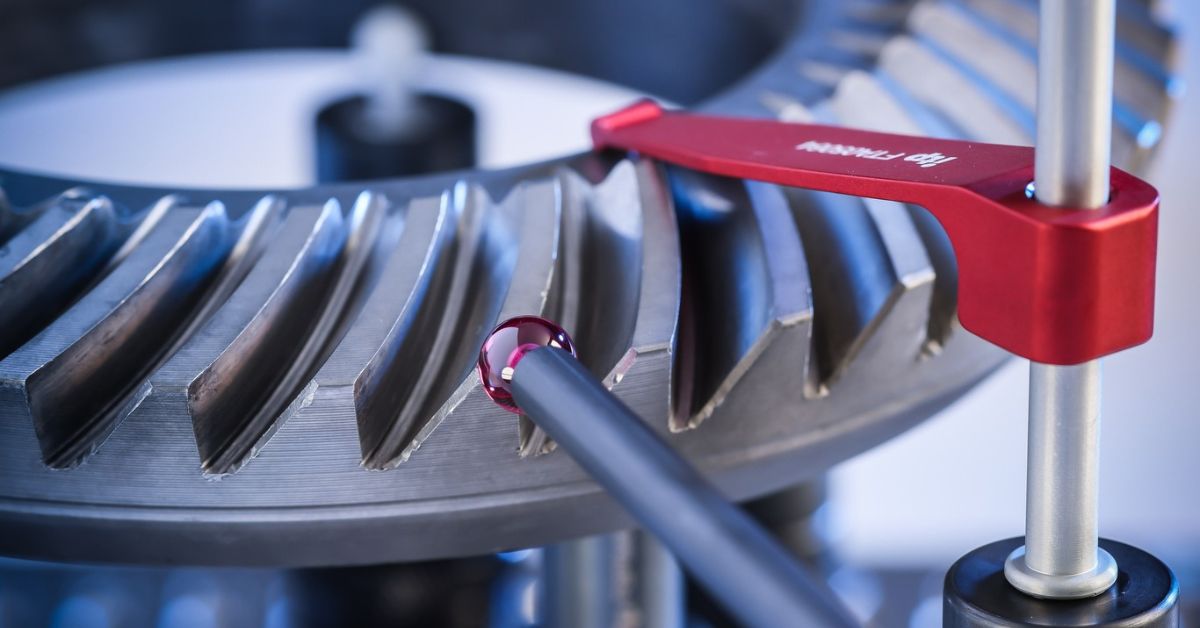
Straight styli are easy to underestimate because the design looks straightforward at a glance. The components that make up a straight styli seem like a basic assembly until small differences in specifications begin to change contact behavior or service life. For manufacturing teams trying to protect measurement confidence, specs that manufacturers overlook in straight styli can shape far more than a line item on a parts list. Better buying decisions start with understanding which details affect real inspection performance and which only appear equivalent on paper.
The Most Commonly Overlooked Straight Stylus Specs
Many buyers first compare the ball and thread sizes. Those details matter, but several lower-visibility specs deserve the same attention when straight styli are chosen for repeatable inspection work.
Stem Material Composition (and Its Impact on Performance)
Stem material affects how a straight stylus responds during inspection. A stainless-steel stem may suit one setup well, while another application may benefit from ceramic or carbon fiber due to stiffness or thermal behavior. Longer reaches often make those differences easier to notice. Material choice can shape how steady a stylus feels in use and how it handles environmental changes.
2. Ball Grade and Sphericity Tolerance
Ball diameter gets most of the attention, but surface quality matters too. A stylus ball with tighter sphericity tolerance supports cleaner contact and more predictable measurement results, especially when the application leaves little room for variation. Lower-quality spherical accuracy can introduce unwanted uncertainty even when the nominal size looks correct on paper. Teams focused only on diameter may miss the difference between a stylus that merely fits the holder and one that supports more consistent inspection performance over time.
3. Adhesive Bond Quality Between Ball and Stem
The joint between the ball and the stem does a quiet but important job. Weak bonding can compromise durability, notably in environments where the stylus sees repeated contact or frequent changeouts. An inconsistent bond can also shorten the useful life of a part that looks perfectly acceptable during a basic visual check. Buyers who focus only on the visible dimensions may overlook the quality of assembly work that helps keep the ball secure through normal production use.
4. Thread Quality and Seating Precision
Thread compatibility alone does not guarantee a reliable fit. Machining quality at the thread and seating surface can influence how securely the stylus mounts and how cleanly it settles into position. Small issues at that connection point can make a stylus feel less stable during use or create extra doubt after installation. A stylus with the correct thread designation can still become a weak point when the seating precision is poor or the fit lacks consistency from one replacement to the next.
5. True Usable Length vs. Nominal Length
Overall length does not always tell the full story of how a straight stylus will behave in a real setup. Usable length matters because contact access depends on the portion of the stylus that can reach the feature without creating clearance issues nearby. Two styli with similar nominal lengths may behave very differently once mounted. Buyers who compare only the headline number may end up with a part that looks right in a listing but changes access, positioning, or routine setup once it reaches the machine.
6. Stem Diameter and Its Influence on Deflection
Stem diameter can shape how much a stylus resists bending during contact. A narrower stem may help with access in tighter areas, though a reduced diameter can also make the assembly less rigid as length increases. Longer styli make that tradeoff more noticeable because small amounts of movement become easier to feel in demanding applications. Do not hone your focus on reach, because you may miss how diameter influences stiffness, and that detail is important when repeatability depends on a more stable probing setup.
7. Ball-To-Stem Alignment Accuracy
Alignment between the ball and stem deserves far more scrutiny than it usually gets. A stylus can have the right dimensions, the right material, and the right thread, yet still create problems if the ball is not centered accurately. Poor alignment can undermine confidence in the qualification and make troubleshooting more difficult when results begin to drift. Extra setup time often follows because the issue does not always look obvious at first glance. Precision in that relationship supports a cleaner starting point for measurement work.
How Overlooking These Specs Shows Up on the Shop Floor
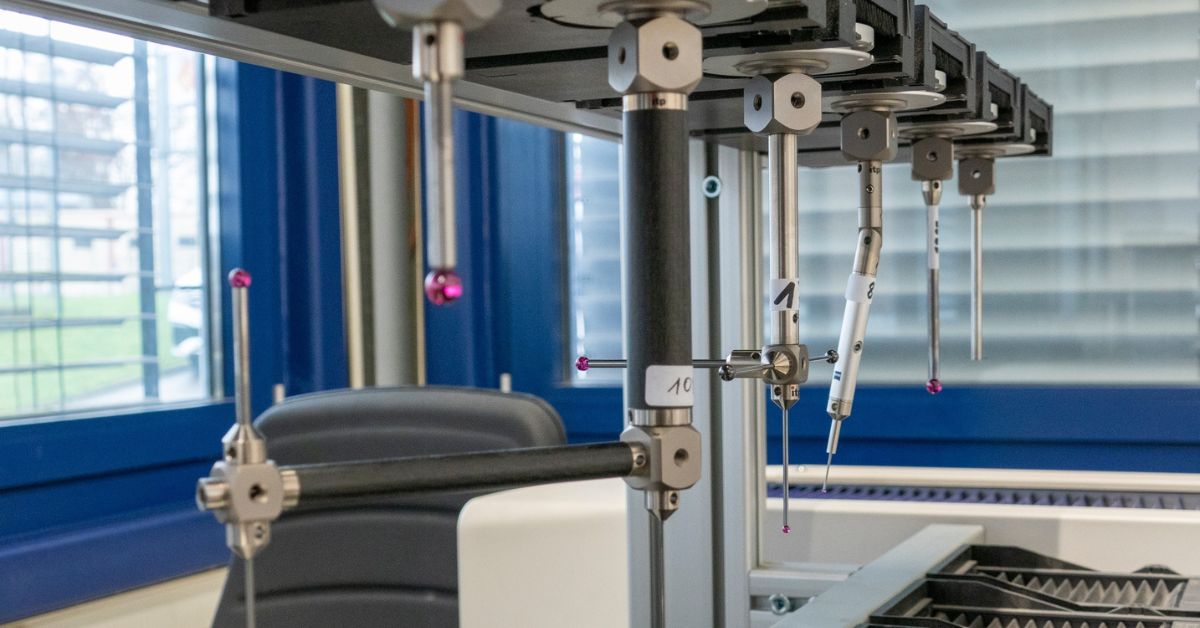
On the shop floor, overlooked stylus specs rarely announce themselves with one dramatic failure. Problems usually appear as more frequent recalibration or shorter replacement intervals. You might even notice uncertainty when familiar programs no longer produce equally trustworthy results.
A team may blame the machine or the setup before tracing the issue back to a stylus that was dimensionally correct but poorly matched in assembly quality. For teams that rely on CMM stylus probes every day, precision comes from the full specification stack.
How To Evaluate Straight Styli More Critically
Start with a disciplined comparison checklist. Review stem material, ball grade, thread standard, effective working length, stem diameter, and available quality controls before treating two products as equivalents. Then match those details to the inspection routine. A more careful review helps prevent choosing a stylus solely because its headline dimensions look familiar.
When a Custom Straight Stylus Is the Better Option
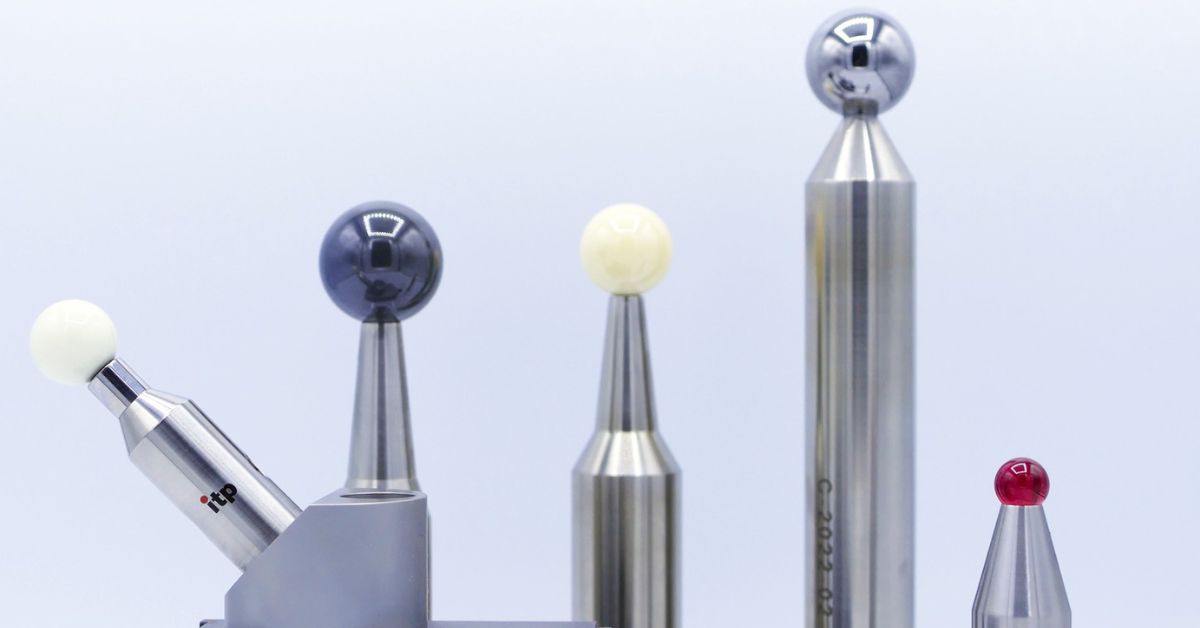
Standard configurations work well for many programs, but some inspection challenges call for a more exact fit. Custom straight styli become more valuable when a routine requires a specific variable, such as ball size or thread format, that standard options do not offer in a balanced way. Itpstyli’s custom solutions are a major part of our inventory, so manufacturers like you who are trying to solve an application problem can find an exact match. In those cases, the goal is a stylus built around the measurement task.
Straight styli perform best when buyers stop treating them like generic accessories and start reviewing them as precision assemblies. Manufacturers that pay closer attention to specs overlooked in straight styli are in a stronger position to maintain consistency on the floor. For teams that need dependable options across standard and custom configurations, itpstyli supports that decision with a broad range of products built for metrology work.