

 sales@itpstyli.com


5/18/26
Diamond-Coated Styli Cut Inspection Costs by Reducing Wear
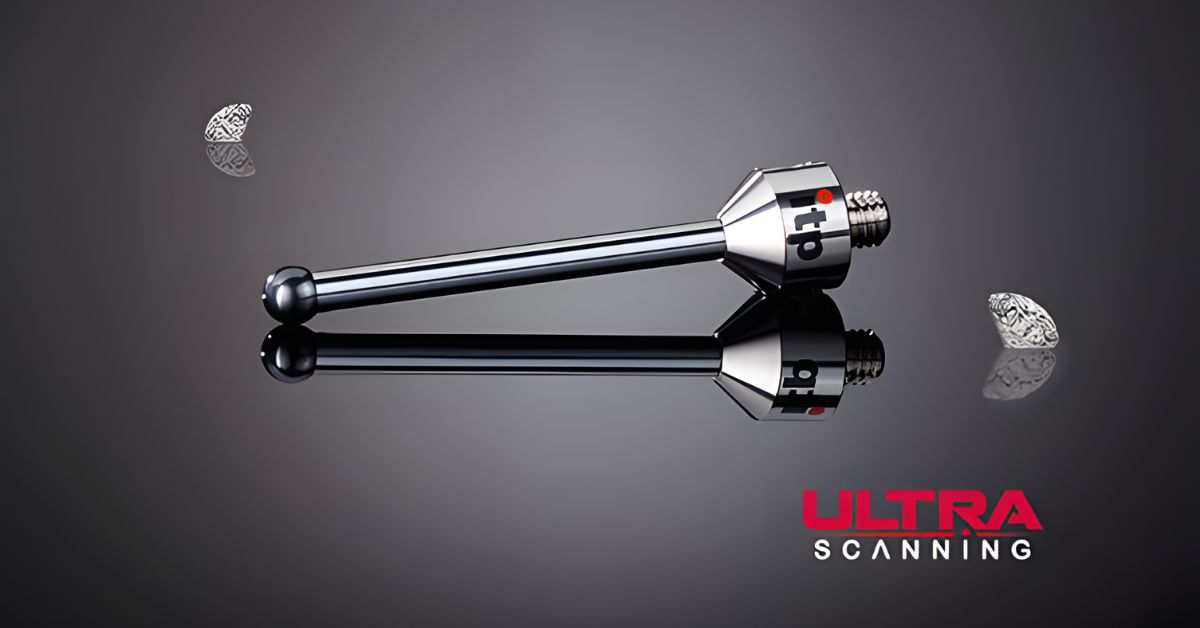
In precision inspection, a stylus is small enough to be overlooked until it begins to affect the results. Ball wear can shift measurement behavior and force teams to replace components before a planned maintenance window. For busy CMM environments, those interruptions affect more than the cost of a single stylus. For demanding contact conditions, diamond-coated styli cut inspection costs by reducing wear while helping teams protect measurement consistency.
Why Stylus Wear Drives Up Inspection Costs
Stylus wear becomes expensive because it rarely stays isolated to the stylus itself. As the ball surface changes, the contact point used during probing may no longer behave as it did after calibration.
Cost comes from the reaction to uncertainty. For example, teams may replace styli early because they cannot risk questionable data. In high-volume inspection, each pause incurs a practical cost because CMM time is tightly scheduled around production needs.
Wear can also create hidden waste. A stylus that still looks usable may introduce enough variation to trigger repeated checks or rework. Over time, the expense extends beyond replacement parts to labor and scheduling pressure.
What Makes Diamond-Coated Styli Different?
The design of diamond-coated styli is intended for applications where the ball surface experiences more aggressive contact conditions than standard materials can comfortably withstand. The diamond coating creates a hard, wear-resistant surface over the stylus ball, helping it hold its shape during repeated contact.
The value of styli with diamond coating lies in how their surfaces interact with hard materials during inspection. The coating can help reduce friction and material transfer when the stylus touches demanding surfaces.
Diamond coating does not make every stylus the right fit for every job. The best choice still depends on the material being inspected, the probing strategy, the part geometry, and the inspection frequency. Demanding environments benefit from a stylus surface built to resist the conditions that usually shorten service life.
How Diamond-Styli Reduce Wear in Real Applications
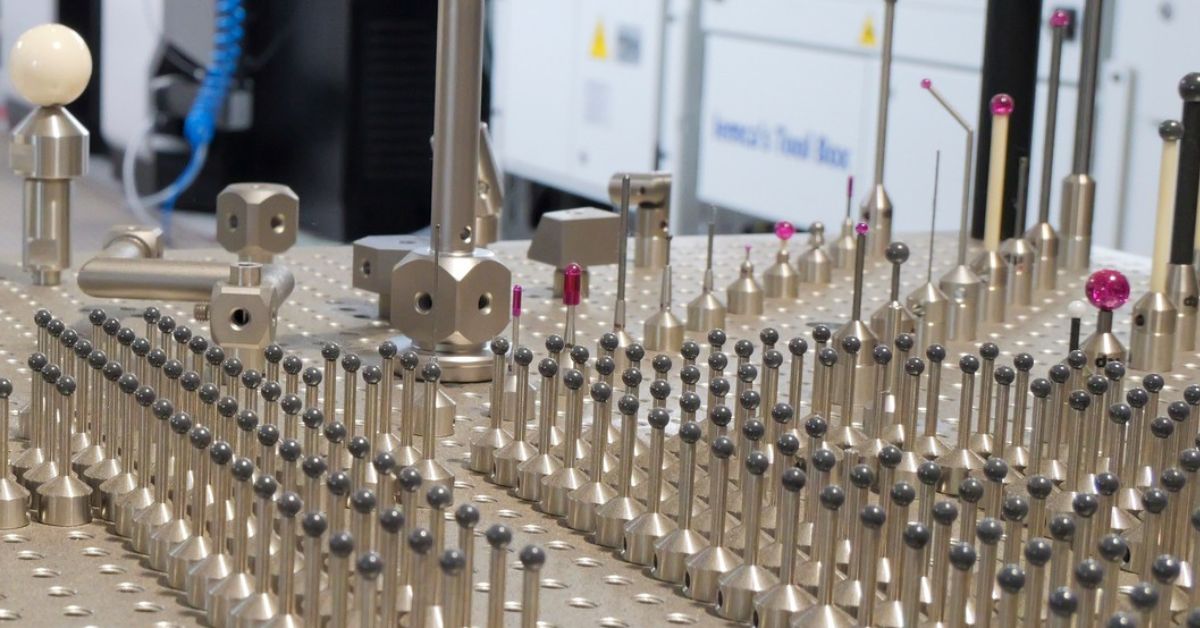
Real applications create wear through many different factors. Diamond-coated styli address those issues at the contact surface, where inspection stress is concentrated.
No Material Buildup
Material buildup can occur when the inspected part leaves residue on the stylus ball, gradually altering the clean contact surface established during calibration. A diamond-coated surface helps reduce adhesion to the ball, lowering the chance of residue interfering with contact behavior during repeated inspections. For soft, sticky, or transfer-prone materials, cleaner contact can support more dependable readings and reduce the need for added cleaning checks between measurement runs.
Minimal Friction
Friction becomes a concern when the stylus repeatedly contacts the same surface type or moves through probing routines that create sliding contact. Higher drag can contribute to wear at the ball and make contact behavior less predictable across repeated measurements. Diamond-coated styli help limit friction at the point of contact, allowing the stylus to interact more smoothly with the workpiece while supporting consistency across routine inspection work.
Superior Abrasion Resistance
Abrasive materials can shorten stylus life when the ball repeatedly contacts rough or hard surfaces. Castings, ceramics, composites, and similar materials may wear standard stylus surfaces faster than expected during frequent inspection. The hard diamond coating provides the ball with a more durable contact surface, helping it withstand repeated exposure and protecting the continuity of inspection.
Stable Roundness Over Time
Roundness matters because the stylus ball serves as the precise contact surface for measuring. When wear changes the ball’s shape, the CMM may no longer be working with the same geometry established during qualification, which can cast doubt on the results even when the machine and program are sound. Diamond-coated styli help preserve ball geometry through repeated use, supporting longer-lasting confidence in the stylus as a measurement interface during routines where small dimensional differences matter.
The Cost-Saving Impact: Where the Real ROI Comes From
The return on diamond-coated styli comes from reducing secondary costs associated with wear. A longer-lasting stylus can lower replacement frequency, but the larger value appears in the inspection process around it. Fewer interruptions help teams keep CMM schedules on track.
ROI comes from limiting the labor spent on investigating measurement drift. When stylus wear is suspected, inspectors may need to stop, clean, qualify, compare results, or repeat measurements. Those steps are important when accuracy is at stake, yet they also consume skilled time.
For production environments, stability can be especially valuable. When a stylus maintains its surface condition longer, teams can make maintenance decisions with more confidence. Predictable tool life supports better planning and reduces the likelihood of a stylus issue during a critical inspection run.
What Happens When Wear Becomes Part of the Process
Stylus wear can become so familiar that teams start building workarounds into the inspection routine without naming the source of the problem. Extra cleaning and repeated measurements begin to seem like normal steps in the job. Over time, those adjustments can hide the true cost of a stylus that no longer performs as consistently as the process requires.
The risk is not only the added time. When wear becomes accepted as part of the workflow, inspection teams may lose a clear view of where inefficiency is coming from. A more durable stylus helps remove one recurring variable from the process, making it easier to keep inspection work focused on the part being measured.
Choosing the Right Diamond-Coated Stylus for Your CMM
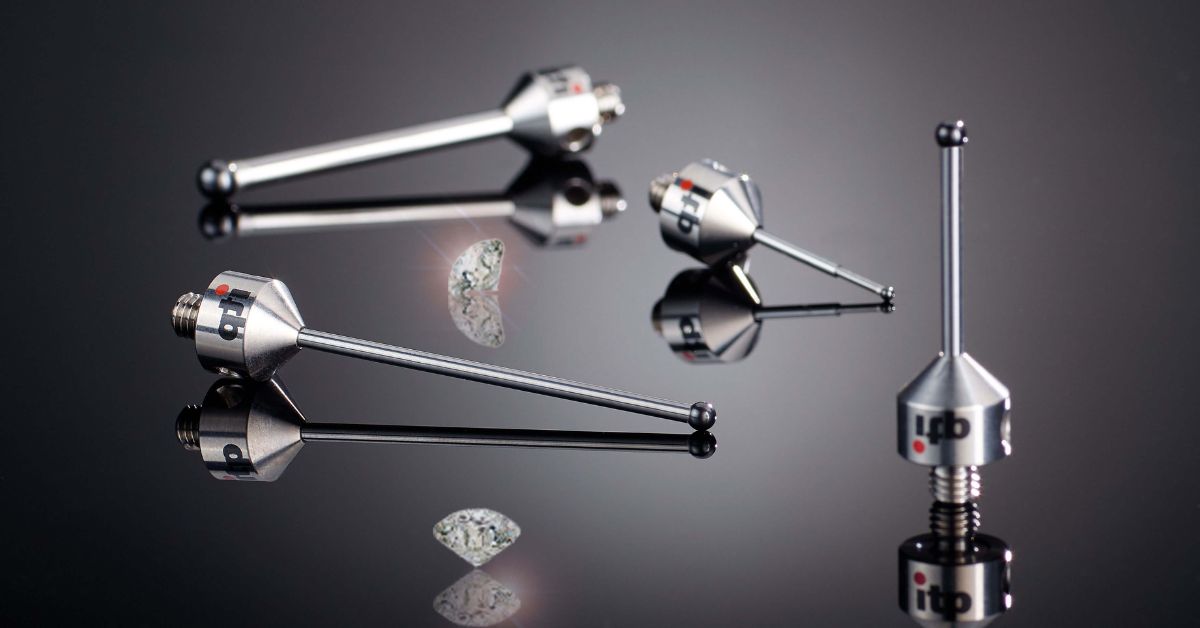
Choosing the right diamond-coated stylus begins with the application, not the coating alone. Ball size, stem length, thread size, material clearance, and feature access affect whether the stylus can measure accurately and repeatably.
Inspectors should consider how the stylus will be used across the full routine. Unique parts with deep features or tight access points can influence whether a standard configuration or custom stylus is more appropriate.
itpstyli supports manufacturers with replacement styli, accessories, extensions, holders, and custom solutions for CMM and machine-tool needs. For teams comparing diamond-coated options, the right fit can reduce wear-related interruptions while keeping the setup practical for everyday inspection.
When stylus wear keeps creating extra cost, the better question is how much time and inspection capacity are lost before replacement happens. For demanding applications, diamond-coated styli cut inspection costs by reducing wear and give teams a stronger path toward consistent measurement performance. itpstyli can help match the stylus design to the inspection challenge, including custom options when standard parts do not fit the job.