

 sales@itpstyli.com


7/15/26
Understanding Straight Stylus DK Specifications
For inspection teams, a straight stylus looks simple until the specification chart starts shaping the setup. A few millimeters in ball size or usable length influences probe contact. Because of that, understanding the straight stylus DK specifications allows buyers to compare options with greater confidence before selecting a replacement stylus or a custom setup.
What Is a Straight Stylus?
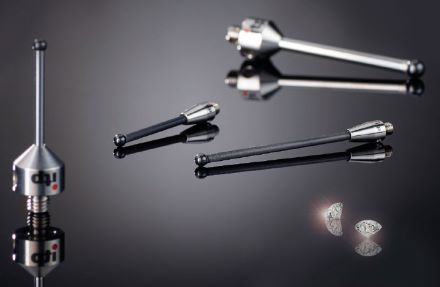
A straight stylus is a single-axis probing component used with measurement systems. The working end holds a precision ball that touches the part during measurement. Behind that contact point, the stem and base support the ball and connect the stylus to the probing system. Straight styli work well for common routines. The real challenge is reading each specification as part of one complete measurement tool.
What Does DK Mean in Straight Stylus Specifications
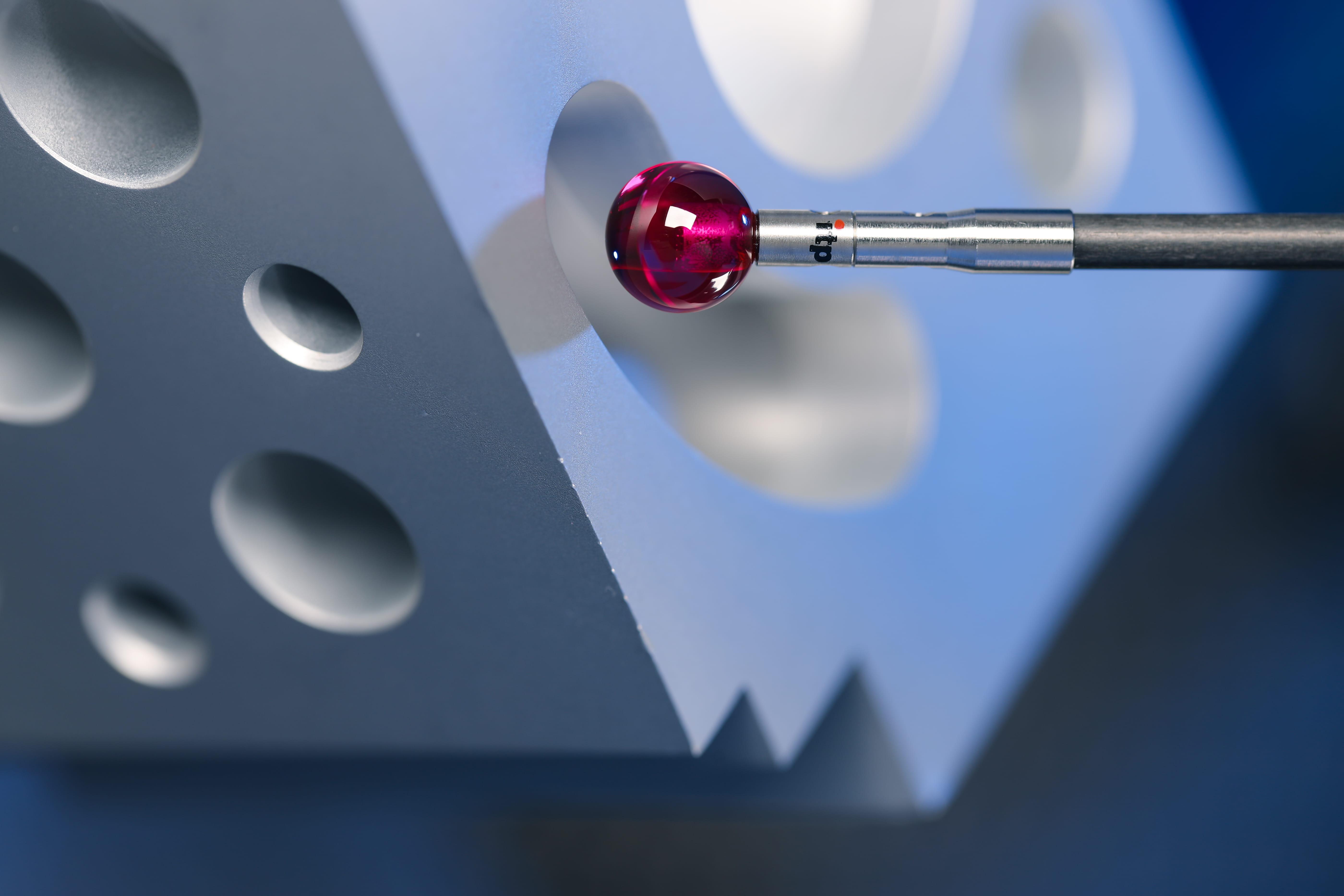
DK refers to the ball diameter of the stylus. On many product charts, DK is shown in millimeters and indicates the size of the sphere at the contact end.
A larger DK places a broader ball at the surface, which changes how the stylus contacts edges and contoured features. A smaller DK reaches finer details, but it leaves less room for error when part geometry limits access.
DK should never be read as a stand-alone number. The diameter starts the comparison, but the rest of the stylus determines whether that size works in practice.
How DK relates to Other Straight Stylus Measurements
DK sits at the front of the specification, but it works with several other dimensions. Reading those measurements together gives a clearer picture of part access.
Overall Length
Overall length describes the full length of the stylus from the connection end to the measuring tip. It determines whether the stylus will reach the target feature once installed. A longer length adds reach, though it increases the risk of deflection during probing. For that reason, the shortest length that reaches the feature is usually the better starting point.
Measuring Length
Measuring length focuses on the usable portion of the stylus near the ball. It tells the inspector how much working reach is available before the body or holder could interfere with the part. A generous measuring length supports deeper access, but it should match the feature rather than exceed it without reason. When DK increases, the ball might clear edges more easily, yet the usable reach still depends on the stem behind it.
Shaft Diameter
Shaft diameter describes the stem behind the ball. It affects both clearance and stiffness. A thicker shaft usually supports better rigidity, which helps control bending during contact. A thinner shaft creates more clearance in narrow spaces. DK needs to coordinate with the shaft diameter so the ball reaches the surface before the stem risks rubbing nearby geometry.
Body Diameter
Body diameter refers to the larger section near the connection or base. It rarely touches the part during normal probing, but it still influences access around recessed features. A body that is too wide could limit how far the stylus enters a tight area. DK might appear suitable at the tip, but the body dimension could still make the setup impractical.
Why DK Size Matters for Measurement Accuracy
DK size affects how the stylus physically contacts the measured feature. The ball diameter determines the contact geometry at the surface, which influences how the system interprets fine details.
A smaller ball is helpful when the feature requires fine access. However, smaller contact points demand careful setup because slight misalignment or surface variation becomes more noticeable. A larger ball provides more clearance on rougher surfaces and supports steadier contact on broader features.
Accuracy depends on matching the DK to the measurement task, not choosing the smallest or largest available size by habit. A well-matched ruby ball stylus provides a contact point that suits the feature and the inspection routine.
Common Straight Stylus Materials and What They Mean
Straight stylus specifications typically list the ball, stem, and base materials. Each material supports a different part of the stylus performance.
Ruby is widely used to probe balls because it provides a hard, smooth contact surface in many inspection environments. Ceramic balls are used in larger setups where weight and surface behavior require closer review. The ball material should fit the part material because the contact point carries the inspection interaction.
Stem material shapes stiffness and weight. Carbide supports compact, rigid styli. Ceramic stems are useful in certain longer configurations because they reduce weight compared with some metal options.
Material selection should support the DK choice rather than distract from it. A suitable ball diameter still needs a stem and base that keep the stylus stable during contact.
How To Choose the Right DK for Your Application
Start with the feature being measured. A bore, groove, edge, or gear-related detail places different demands on the stylus tip, so DK selection begins with the contact area.
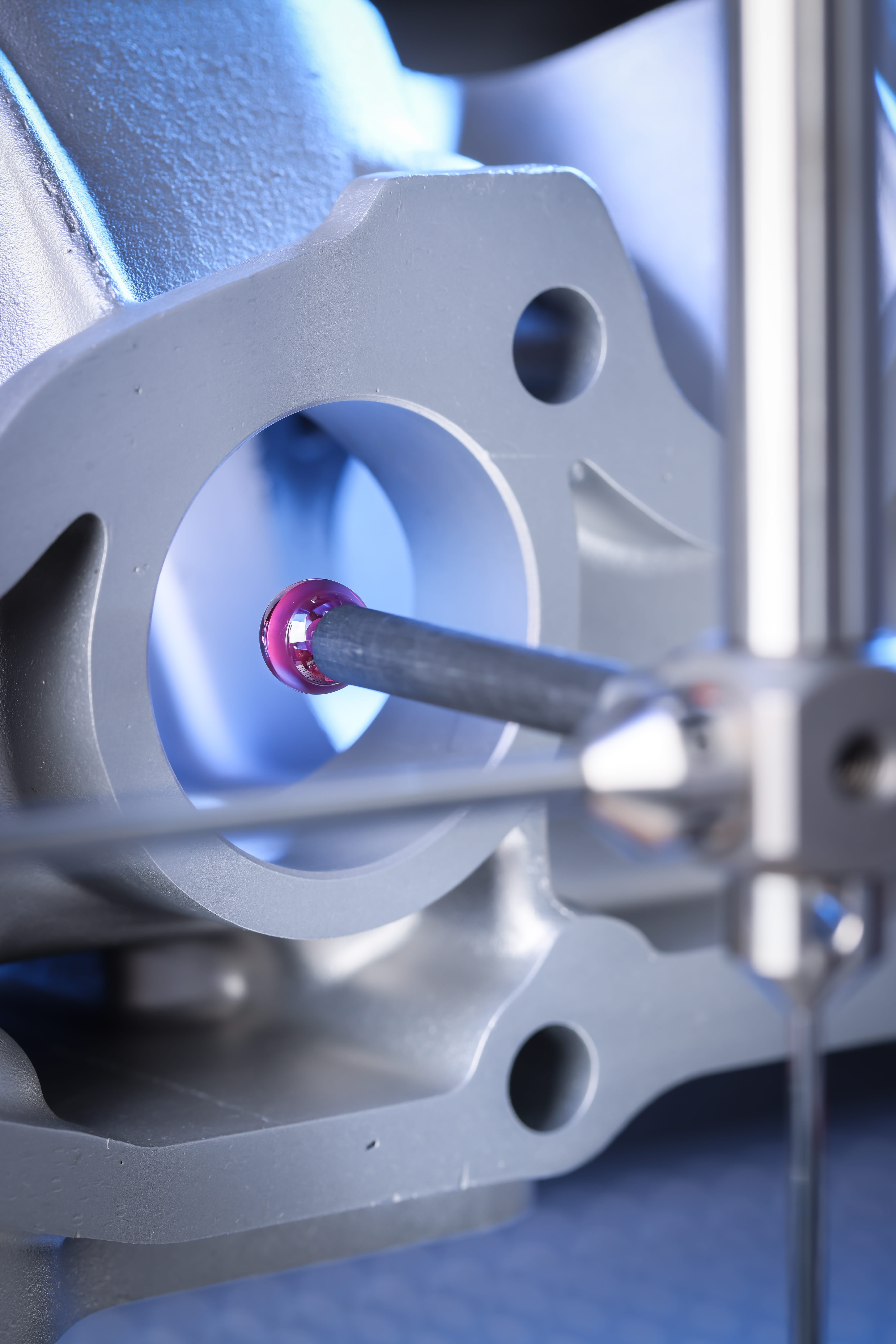
Next, compare the available clearance around the feature. The ball must reach the measurement surface without the shaft or body interfering. When space is tight, a smaller DK could help, but the shaft and measuring length still need to be reviewed.
Then consider probing stability. A longer stylus with a very small DK might reach the part, but the setup could lack the rigidity needed for repeatable results. A slightly larger DK paired with a more appropriate length supports cleaner measurement behavior.
itpstyli offers replacement styli and accessories for measurement needs. When a standard straight stylus does not fit the application, a custom stylus specification gives inspection teams a more targeted path.
Mistakes To Avoid When Reading Straight Stylus DK Specs
One common mistake is treating DK as the only important dimension. Ball diameter is important, yet the overall setup depends on the length, shaft diameter, body diameter, and thread size working together.
Another mistake is choosing extra reach without checking stiffness. Longer styli solve access problems on paper, but the added length creates measurement instability if the stem is too slender for the probing task.
Buyers should avoid assuming two styli with the same DK will perform the same way. Different materials and body dimensions change how the assembly behaves after installation. A matching ball diameter is only one part of a true replacement comparison.
It is worth checking whether the listed measurement is the overall length or the measuring length. Confusing those numbers might lead to a stylus that looks long enough in the catalog but falls short in the feature.
The right straight stylus choice starts with reading the small details as part of the full setup. For inspection teams, understanding the straight stylus DK specifications builds confidence in decisions that affect fit, contact, and repeatability. When the standard option does not fully match the measurement need, itpstyli helps connect the specification to a straight stylus or custom solution built for the work ahead.