


 sales@itpstyli.com


10/19/26
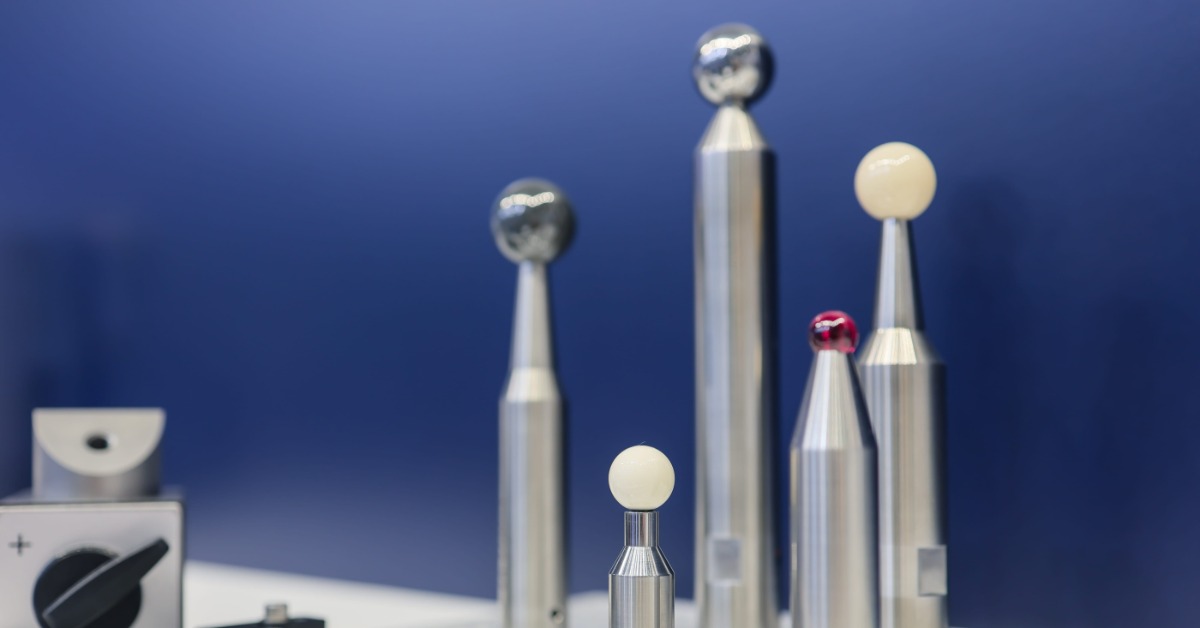
Resonant Frequency Limits of Extreme Custom Extensions
A long CMM extension may solve an access problem while introducing a different challenge: unwanted vibration. As the assembly becomes longer, its dynamic behavior deserves attention because vibration may affect probing stability. The resonant frequency limits of extreme custom extensions become especially relevant when you need substantial reach without compromising dependable measurement. Knowing what affects those limits helps you make better choices when a standard configuration simply won’t reach the feature you need to inspect.
Why Resonance Deserves Attention
When you use a long extension, you’re working with a structure that can vibrate after movement or contact introduces energy. Every structure has natural frequencies at which vibration becomes easier to excite. Resonance occurs when an excitation frequency approaches one of them. Longer configurations may have lower natural frequencies than shorter, stiffer configurations, bringing them closer to frequencies associated with movement during measurement.
You don’t need to treat every long extension as a vibration problem. However, you should consider dynamic behavior when your configuration reaches far beyond a typical probing setup. Considering stiffness and operating conditions helps you decide whether the extension suits the measurement task.
Recognize Warning Signs Early
You may encounter clues that suggest a long probing assembly needs closer evaluation. If measurements remain consistent with a shorter setup but become less stable after you add considerable reach, evaluate the longer configuration. Moreover, visible or persistent motion after positioning may indicate that the assembly needs more settling time or a different configuration.
Watch for the following behavior:
- Vibration that continues after the machine stops moving
- Repeated measurements that become less consistent
- Faster positioning that creates greater instability
- Changes in settling time after adjusting extension length
- Variations in deflection after small machine movements
Where Frequency Limits Appear
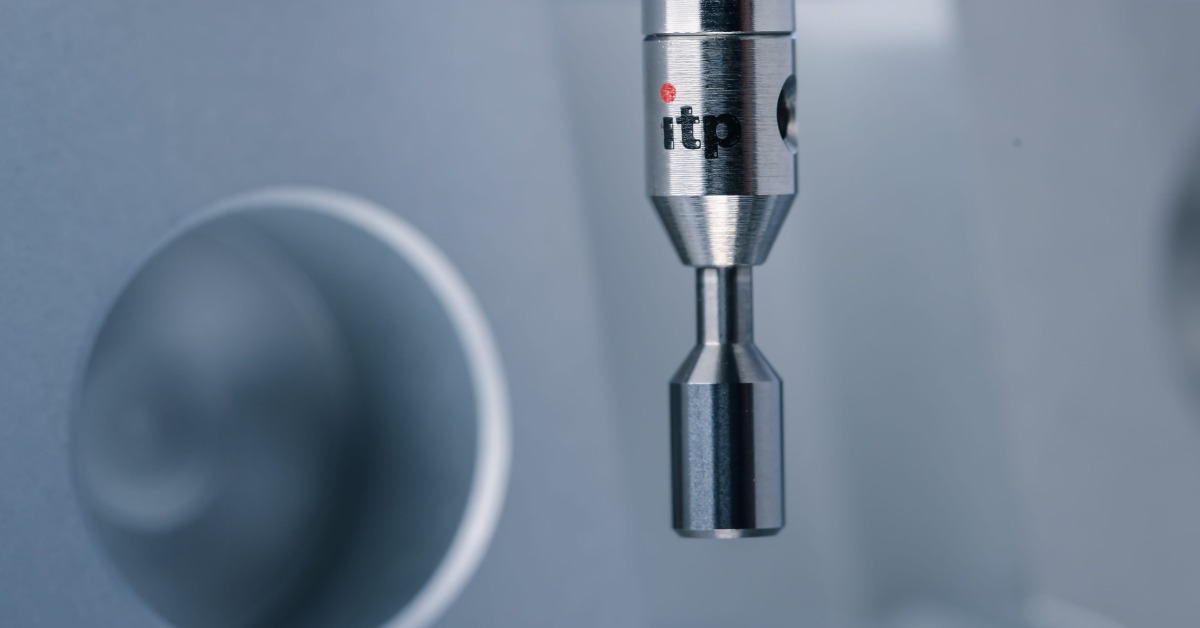
You may approach resonant frequency limits when the natural response of extreme custom extensions interacts with excitation during measurement. A deep feature may require an unusually long configuration, but reach alone doesn’t tell you whether the setup will remain dynamically stable. Therefore, you should consider the extension as part of the complete probing system.
The probe head, joints, extension geometry, and stylus all contribute to the assembly’s dynamic response. A change in one component may alter stiffness or mass distribution enough to shift its natural frequencies. Because each custom configuration can behave differently, assumptions based on a shorter assembly may not apply to an extreme extension.
Connect Metrology With Monitoring
In practical terms, metrology & monitoring solutions combine measurement with equipment monitoring or process conditions that may affect measurement performance. Monitoring can help you recognize changes in behavior that deserve a closer look, especially when a custom probing setup operates near its practical limits. You still need to interpret those observations in the context of the complete measurement system.
That context becomes especially useful with long extensions because their response depends on the configuration and operating conditions. When results change, you can examine the setup before assuming the workpiece caused the variation. Moreover, tracking recurring behavior can help you identify when a configuration needs further evaluation.
Stiffness Supports Stable Measurement
When you need substantial reach, you should pay close attention to stiffness. A stiffer assembly generally resists bending more effectively, which can raise its natural frequencies compared with a less rigid configuration of similar dimensions. Therefore, extension geometry and material properties deserve attention when you move beyond conventional lengths.
You should also consider stiffness across the entire assembly rather than focusing on one component. Connections between components may influence the response of a long setup, particularly as extension length increases leverage on the mounting point. Evaluating the complete configuration gives you a clearer picture of its behavior during measurement.
Diameter Affects Rigidity
Increasing a shaft’s diameter can greatly increase its resistance to bending when its other characteristics remain comparable. However, a larger diameter may create clearance problems when you need to reach narrow or obstructed features. You’ll need to balance rigidity with enough clearance to approach the measurement point safely.
Account for Machine Motion
During an inspection routine, the machine repeatedly moves and positions the extension. Positioning moves introduce acceleration and deceleration, which may excite vibration in a long assembly. Consequently, machine movements that work well with a compact stylus setup may need reevaluation when you add substantial length.
If an extreme configuration responds poorly to rapid movement, you can adjust the inspection routine accordingly. Allowing the assembly sufficient time to settle before measurement may reduce the effect of residual motion on probe contact. Moreover, smoother machine movement can reduce the excitation introduced during positioning.
Evaluate the Complete Setup
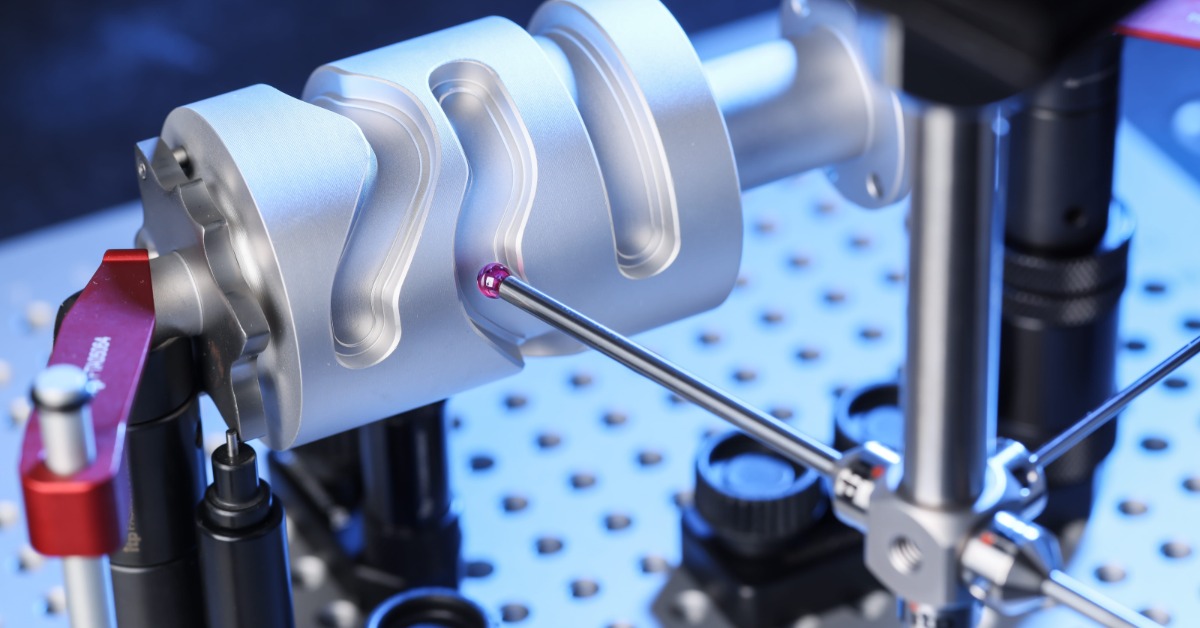
You’ll get a more useful assessment when you evaluate the extension under conditions that resemble its actual measurement task. A configuration that appears rigid while stationary may behave differently once the machine moves it through an inspection routine. Repeated measurements can help you identify unexpected variation.
Consider these factors when reviewing a long custom setup:
- Overall assembled length under operating conditions
- Available clearance throughout the programmed movement
- Settling time after major positioning moves
- Measurement consistency across repeated measurements
- Performance changes after modifying the configuration
Match Reach to the Task
Extra length provides value when the measurement requires the added reach. If you can reach the target feature with a shorter configuration, reducing unnecessary extension length generally improves stiffness and raises natural frequencies. Therefore, use only as much reach as the target geometry requires.
An extreme extension may still provide the best practical approach for a deeply recessed feature. In those situations, consider the measurement path along with the final contact position. Reviewing the measurement path can help you avoid adding unnecessary extension length.
Build Around Reliable Results
Long-reach probing works best when you treat extension length as part of the measurement system rather than an isolated dimension. When planning the configuration, consider its dynamic behavior so you can address difficult access without overlooking the effects of added reach. Careful evaluation then helps you determine whether the completed setup provides the consistency your measurement task requires.
Extreme custom extensions can reach features that standard configurations may not access, but their performance still depends on sound mechanical choices. itpstyli supports CMM applications with custom styli and extensions for specialized measurement needs. If your application calls for unusual reach, connect with our team to discuss a configuration suited to the geometry you need to inspect.